How to Prepare Condition Evidence on Moving Day
Moving day is busy, lighting may be poor and several people may be carrying items. Without preparation, photos lose their room, date or before-and-after context. A short workflow should prioritize deadlines, preserve original sources and make unchecked areas visible. RoomLedger can organize the property, rooms, checklist and timeline.
Prepare before arrival
Charge the phone, clear storage, check the time and use a consistent date setting. Prepare the lease, room list, meters, keys and handover items. Create the property and rooms in advance when possible. If several people take photos, agree who keeps originals and how captions are written.
Follow a fixed route
Photograph the exterior or room door, then walls, ceiling, floor, windows, equipment and inventory. Each issue needs a wide view and a close-up. Record location, visible observation, test status and blocked areas. A fixed route prevents a room from being forgotten or a photo from losing its context.
Record meters and keys
Photograph readings with unit, date and meter location. Count keys, remotes, cards and accessories, and record what was handed over. Do not infer payment responsibility or technical condition from one image. See RoomLedger. Link the items to the checklist so they can be reviewed again.
Preserve communication
When you find an issue, report it through the lease channel and within its deadline. Keep messages and replies, and add a timestamp when useful. Do not edit an image to make a mark more dramatic. If another person signs or confirms the report, preserve the version and state exactly what they confirmed.
Export and back up
Create a readable PDF and keep a ZIP or original files for comparison. Open the package and check names, dates, rooms and attachments. Back up before removing photos from the phone. For a link, check recipient, permissions and expiry. Protect addresses, signatures and photos of people.
If time runs out, prioritize rooms with inventory, issues or deadlines and mark the rest unchecked. Do not delete a blurry image without recording why it is incomplete. Schedule a short review after moving while the context is still fresh.
Note: Moving-day evidence does not replace the lease, an inspection, legal advice or local notice requirements.
A practical workflow for this topic
When you search for “How to Prepare Condition Evidence on Moving Day”, the useful answer is usually a repeatable way to check the detail that matters. Use this RoomLedger guide as a starting point, then confirm the current source before acting. The product can organize information and shorten a review; it cannot fill in missing facts or replace a professional decision.
Quick checklist before you act
- Define the room, asset or handover moment you are recording.
- Capture wide context, close details, dates and measurements together.
- Review notes and photos before creating the report or sharing it.
- Keep the original export when a later comparison or dispute may matter.
Keep the decision traceable: record the version, date and source you relied on when the detail may change.
Detailed step-by-step workflow
This extended section turns “How to Prepare Condition Evidence on Moving Day” into a repeatable RoomLedger workflow. The goal is not to create a longer checklist for its own sake. It is to make the important inputs visible, show what should be checked first, and leave a useful record of what was known at the time. That approach is especially helpful for room inspections, condition evidence, measurements, inventory and reports. Read the steps in order the first time, then return to the relevant step when the situation changes.
Step 1: Define the question and the record you need.
Start with this action in RoomLedger, then pause long enough to verify the result against the original source or observation. For “How to Prepare Condition Evidence on Moving Day”, record the date, the relevant context and anything that was not available. A structured record is more useful when another person can understand what was checked without guessing what happened between two screenshots, notes or exports.
Step 2: Gather the original inputs before interpreting the result.
Start with this action in RoomLedger, then pause long enough to verify the result against the original source or observation. For “How to Prepare Condition Evidence on Moving Day”, record the date, the relevant context and anything that was not available. A structured record is more useful when another person can understand what was checked without guessing what happened between two screenshots, notes or exports.
Step 3: Review the result and record uncertainty or missing data.
Start with this action in RoomLedger, then pause long enough to verify the result against the original source or observation. For “How to Prepare Condition Evidence on Moving Day”, record the date, the relevant context and anything that was not available. A structured record is more useful when another person can understand what was checked without guessing what happened between two screenshots, notes or exports.
Step 4: Save the version, date and next action for later comparison.
Start with this action in RoomLedger, then pause long enough to verify the result against the original source or observation. For “How to Prepare Condition Evidence on Moving Day”, record the date, the relevant context and anything that was not available. A structured record is more useful when another person can understand what was checked without guessing what happened between two screenshots, notes or exports.
Quality checks and common mistakes
Long-form guidance is most useful when it explains the boundaries as well as the happy path. Before relying on a RoomLedger record, run the checks below. They help separate a missing input from a negative result, an approximate value from a verified value, and a convenient summary from the original evidence.
Check 1
Do not start with the conclusion. Write down the question, the person or property involved and the time period first. In RoomLedger, keep the source, context and limitation close to the record so the next review can reproduce the decision.
Check 2
Do not mix old and new records without a date. Keep the original observation visible when you add a correction or update. In RoomLedger, keep the source, context and limitation close to the record so the next review can reproduce the decision.
Check 3
Do not treat a missing field as proof that the event, ingredient, expense or condition does not exist. In RoomLedger, keep the source, context and limitation close to the record so the next review can reproduce the decision.
Check 4
Do not share a polished summary before checking the original image, note, label, receipt or export behind it. In RoomLedger, keep the source, context and limitation close to the record so the next review can reproduce the decision.
Check 5
Do not use an app record as a substitute for a professional, medical, legal, financial or safety decision when the situation requires one. In RoomLedger, keep the source, context and limitation close to the record so the next review can reproduce the decision.
Frequently asked questions
What should I verify before I rely on this guide?
For “How to Prepare Condition Evidence on Moving Day”, use RoomLedger to organize the observation and then verify the part that affects the decision. If a source, image, measurement or input is incomplete, mark it as incomplete instead of silently filling the gap. Add a date and a short note about the method used. When the consequence is important or the question sits outside the product’s purpose, confirm it with the current official source or an appropriate professional.
What should I do when the information is incomplete?
For “How to Prepare Condition Evidence on Moving Day”, use RoomLedger to organize the observation and then verify the part that affects the decision. If a source, image, measurement or input is incomplete, mark it as incomplete instead of silently filling the gap. Add a date and a short note about the method used. When the consequence is important or the question sits outside the product’s purpose, confirm it with the current official source or an appropriate professional.
How can I make the record easier to compare later?
For “How to Prepare Condition Evidence on Moving Day”, use RoomLedger to organize the observation and then verify the part that affects the decision. If a source, image, measurement or input is incomplete, mark it as incomplete instead of silently filling the gap. Add a date and a short note about the method used. When the consequence is important or the question sits outside the product’s purpose, confirm it with the current official source or an appropriate professional.
When should I ask for another source or a specialist?
For “How to Prepare Condition Evidence on Moving Day”, use RoomLedger to organize the observation and then verify the part that affects the decision. If a source, image, measurement or input is incomplete, mark it as incomplete instead of silently filling the gap. Add a date and a short note about the method used. When the consequence is important or the question sits outside the product’s purpose, confirm it with the current official source or an appropriate professional.
A practical review before you finish
Before closing this topic, read the title “How to Prepare Condition Evidence on Moving Day” as a question rather than a promise. Confirm the current version of the information, check the original evidence, and record the next action in RoomLedger. A useful record says what was observed, when it was observed, what remains uncertain and who should review it next. This makes the article easier to apply today and easier to revisit when the facts change.
See the product in action
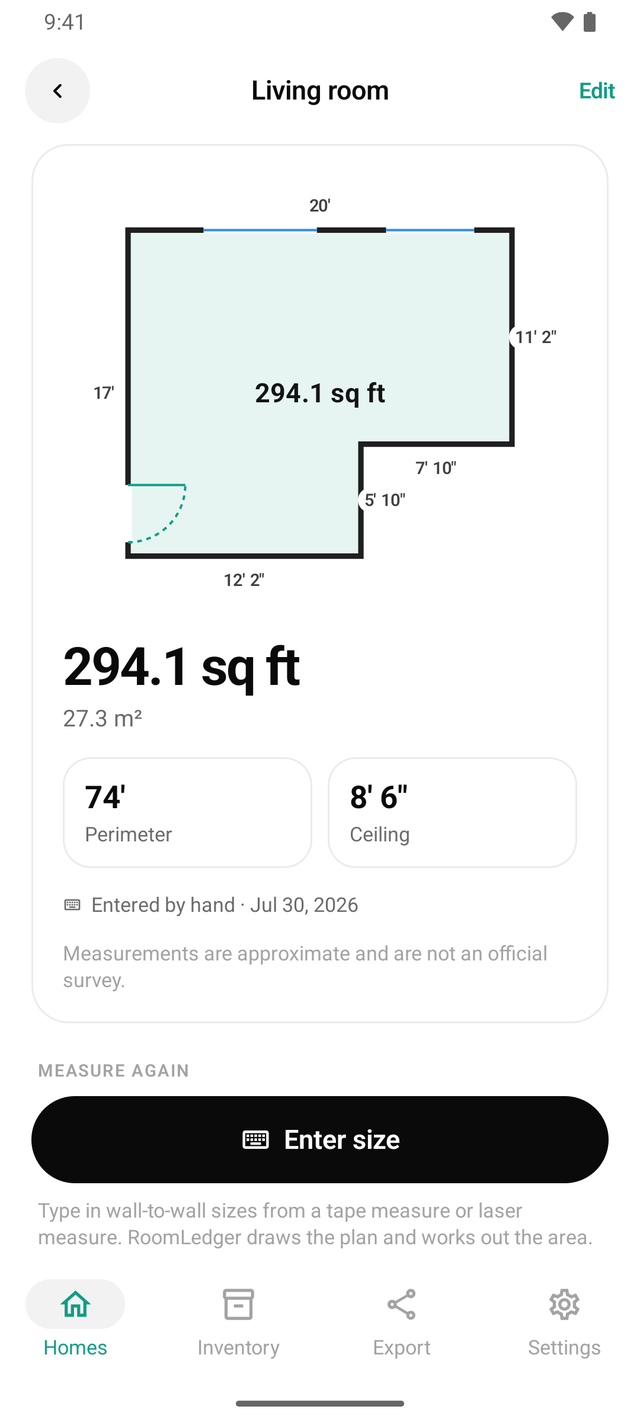
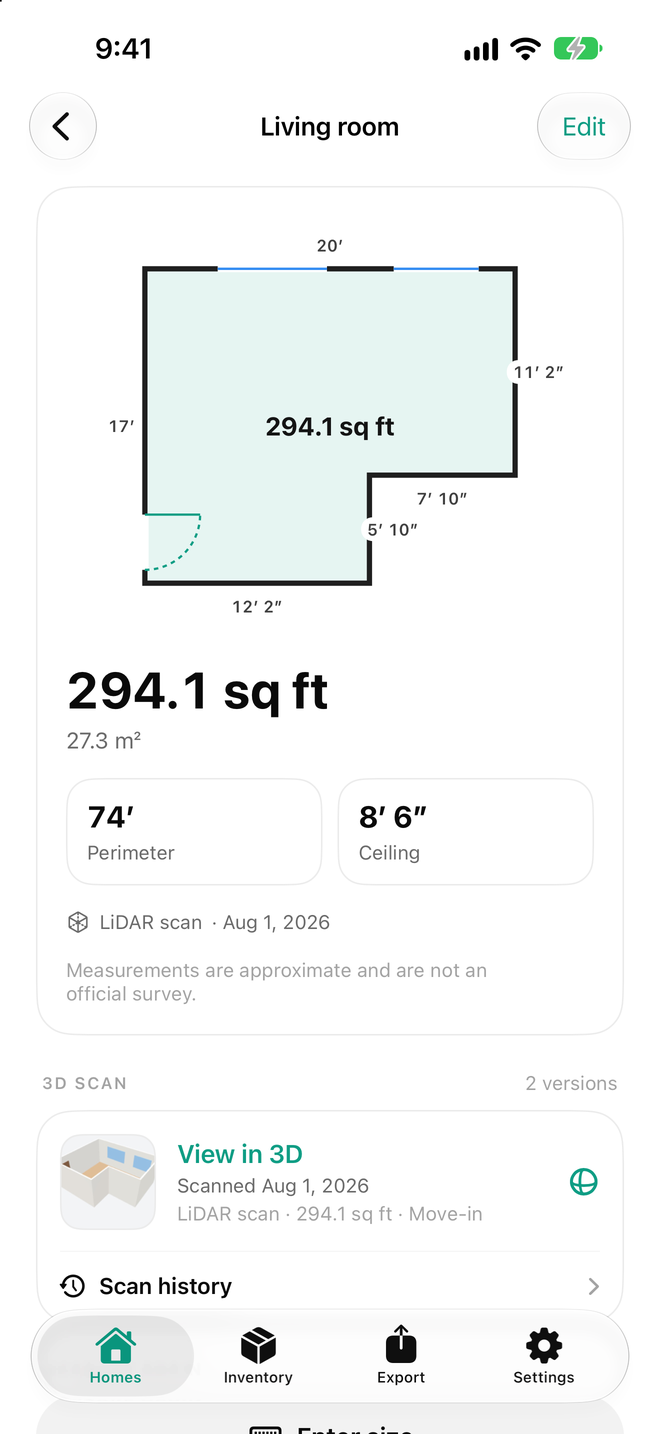
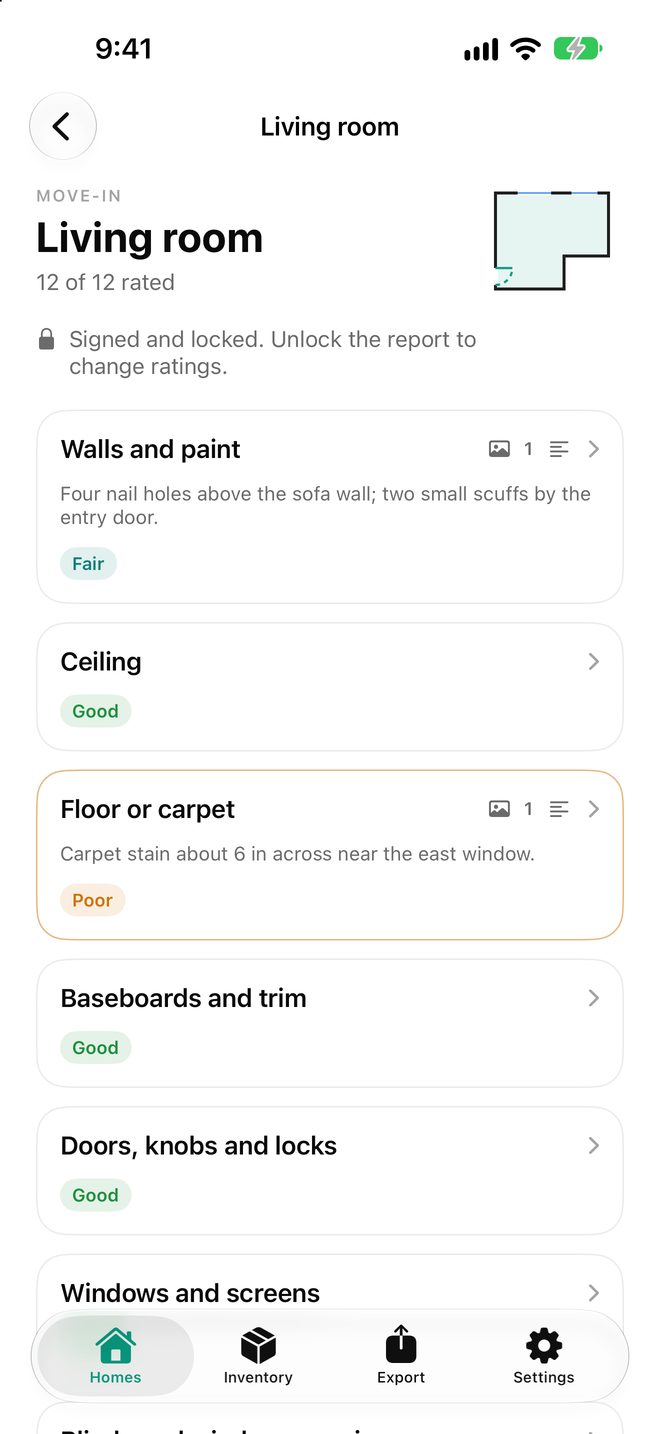
Related guides
A complete move-in checklist for a rental home
Use RoomLedger to record rooms, meters, keys, inventory, photos and existing damage before moving into a rental.
How to Record Each Room’s Condition at Move-In
Record rental move-in condition with room photos, captions, locations, equipment and a dated RoomLedger report.
RoomLedger Move-In Checklist: Download a Record Before You Move In
Use RoomLedger to prepare a move-in checklist, photograph condition, record meters and download a report before leaving the property.
Feature walkthroughs
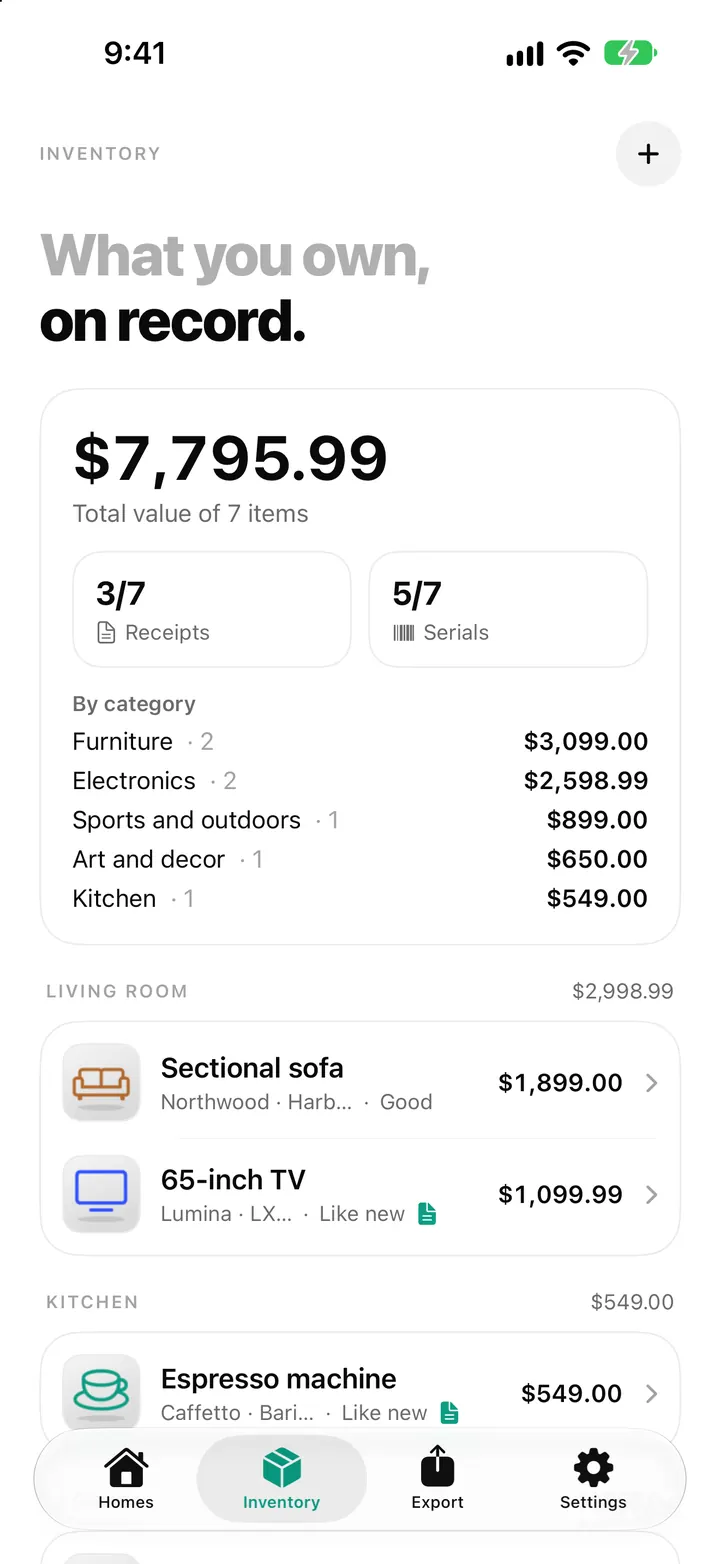
Build a home inventory for insurance on your iPhone with RoomLedger
List what you own room by room in RoomLedger: photos, values, serial numbers and receipts, a running total with gaps flagged, and inventory PDF and CSV exports.
Read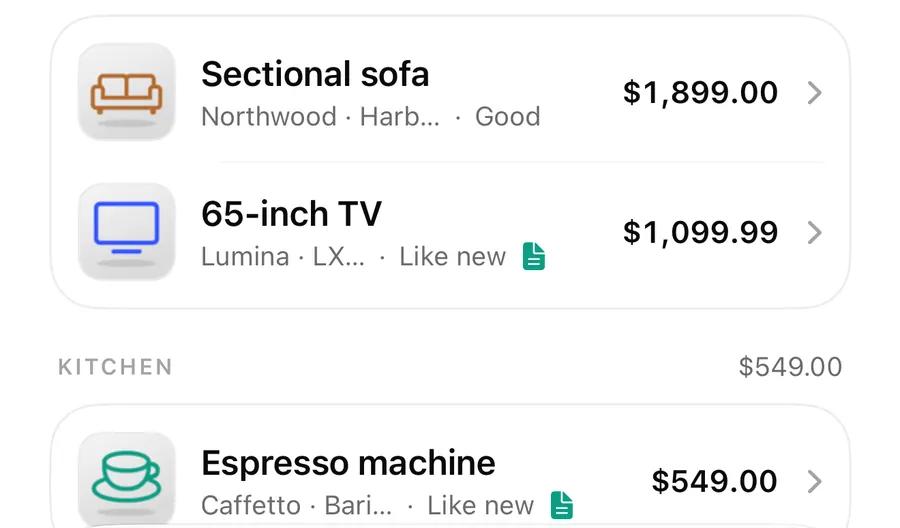
Read serial numbers from labels and fill in receipts with RoomLedger
Photograph a product label to fill in brand, model and serial number, scan a receipt for the date, total and store, all read on your iPhone and checked by you.
Read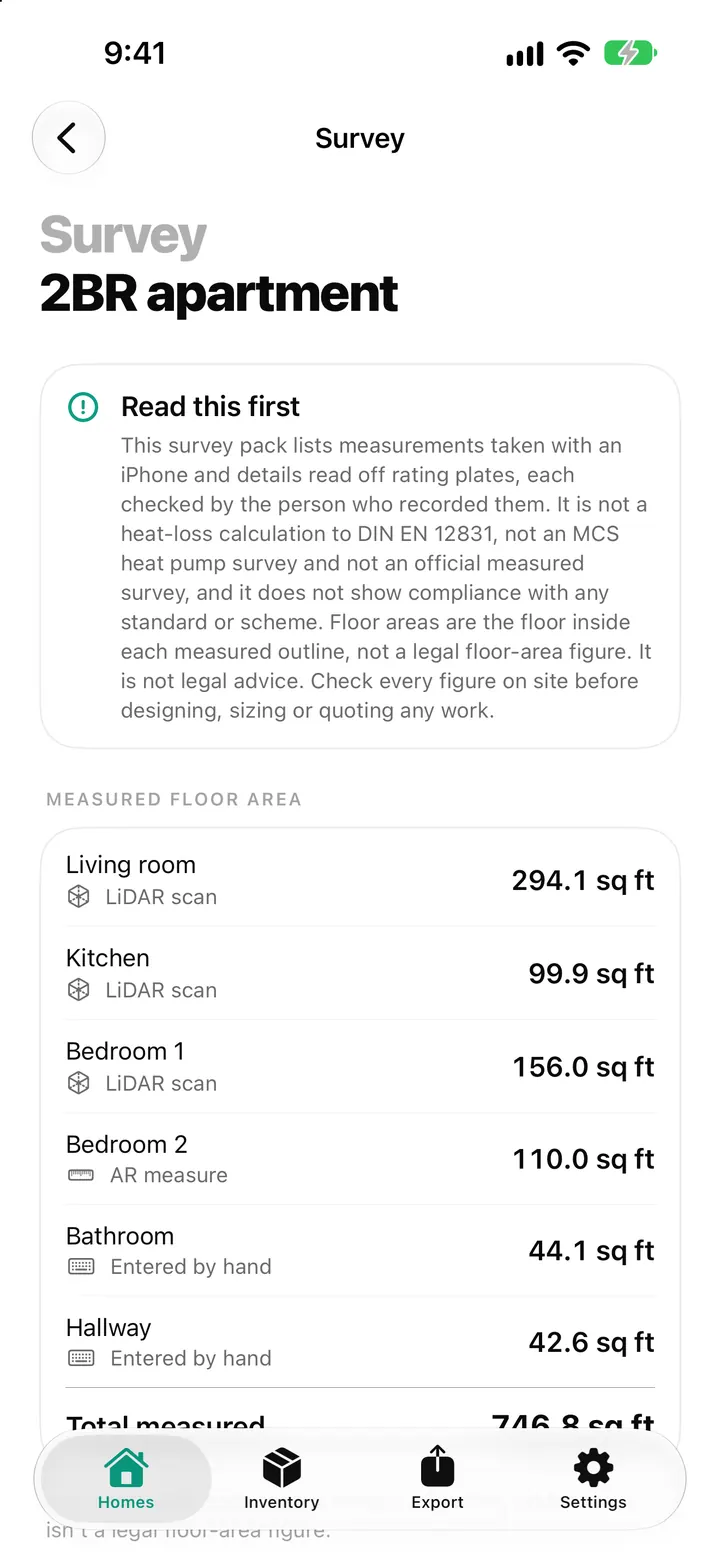
Survey pack: floor areas, windows and heaters for installers in RoomLedger
RoomLedger Pro's Survey screen gathers floor areas, windows and doors, glazing, frames and heater outputs into a PDF, a CSV and an IFC model for installers.
Read